

How to Protect Furniture During Shipping: Complete Guide for Safe Delivery

To protect furniture during shipping, start by cleaning and disassembling items where possible, removing legs, cushions, or glass parts to prevent damage. Wrap each piece carefully using moving blankets, bubble wrap, or foam sheets, and secure the wrapping with packing tape without sticking it directly to the surface. Use corner protectors for sharp edges and cover delicate areas like glass with extra padding. Place smaller parts and hardware in labeled bags and keep them safely attached or stored.
For added safety, use sturdy cardboard boxes or wooden crates for fragile or high-value items, and fill empty spaces with packing peanuts or cushioning material to prevent movement. Finally, label all packages as “Fragile” and ensure proper loading in the vehicle by placing heavier items at the bottom and securing everything tightly to avoid shifting during transit.
Understand the Type of Furniture
Before packing, it is essential to understand the type of furniture you are shipping. Wooden furniture may require protection against scratches and moisture, while glass furniture needs extra cushioning to prevent breakage. Upholstered items demand protection from dust, stains, and tearing during handling. Metal furniture, on the other hand, needs coverage to avoid rust or surface damage. The size, shape, and weight of each item also influence the packing method you should choose. By identifying these factors, you can apply the most effective protection techniques for each piece.
Disassemble Furniture Before Shipping
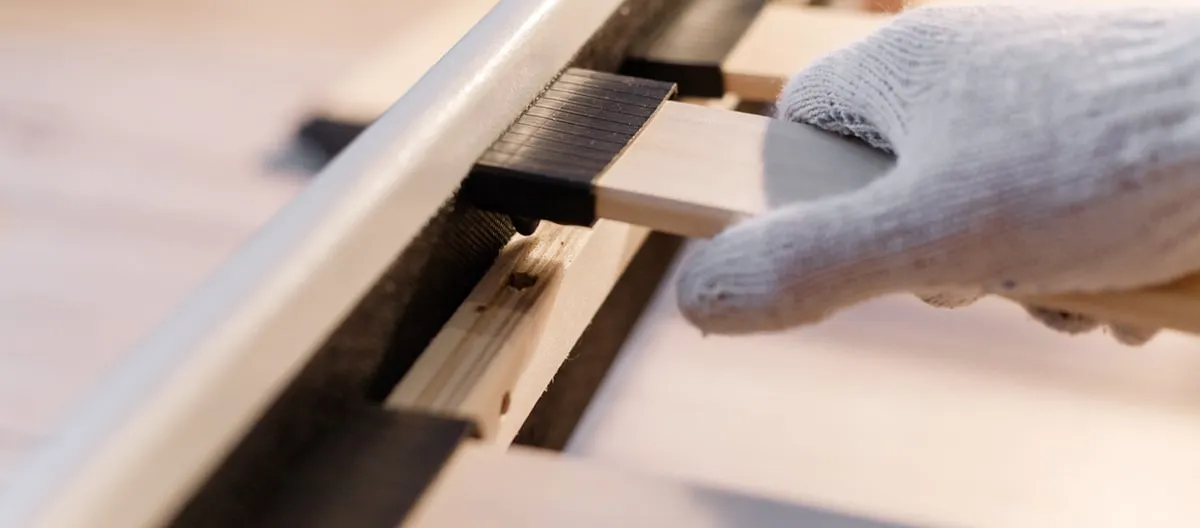
Disassembling furniture is one of the most effective ways to prevent damage during shipping. Large items like beds, tables, and wardrobes become easier to handle and transport when taken apart. This reduces the chances of structural damage and makes packing more efficient. Smaller components can be wrapped individually for better protection. It is important to keep screws, bolts, and small parts in labeled bags to avoid losing them. Proper disassembly not only saves space but also ensures a safer shipping process.
Use High-Quality Packing Materials
The quality of packing materials plays a crucial role in protecting furniture. Using bubble wrap, foam sheets, and sturdy cardboard boxes helps absorb shocks during transit. Cheap or low-quality materials can tear easily and fail to provide adequate protection. Investing in durable materials may seem costly at first, but it prevents expensive damage in the long run. Packing peanuts and air cushions can be used to fill empty spaces and keep items secure. Choosing the right materials ensures maximum safety for your furniture.
Wrap Furniture Properly
Proper wrapping is essential to safeguard furniture from scratches and impacts. Each item should be wrapped with multiple layers of protective material, especially fragile surfaces. Bubble wrap works well for delicate areas, while stretch film helps keep everything in place. Wrapping should be tight but not too compressed to avoid damage. Special attention should be given to glass panels, mirrors, and polished surfaces. A well-wrapped piece of furniture is far less likely to be damaged during handling and transport.
Protect Corners and Edges
Corners and edges are the most vulnerable parts of any furniture item. These areas are highly prone to dents, chips, and cracks during shipping. Using foam corner protectors or thick cardboard padding can significantly reduce this risk. Reinforcing edges adds an extra layer of protection against accidental impacts. Even minor damage to corners can affect the overall appearance of furniture. Therefore, taking extra care of these areas ensures that your furniture remains in excellent condition.
Use Sturdy Boxes and Crates
Choosing the right packaging container is essential for safe shipping. Heavy-duty cardboard boxes are suitable for most furniture items, but fragile or high-value pieces may require wooden crates. Crates provide superior protection against external pressure and rough handling. The box or crate should be strong enough to support the weight of the furniture. It is also important to select the correct size to avoid unnecessary movement. Using sturdy packaging greatly reduces the chances of damage during transit.
Secure Items Inside the Packaging
Once the furniture is packed, it is important to secure it inside the box. Any movement within the packaging can lead to scratches or breakage. Filling empty spaces with foam, packing peanuts, or air cushions helps keep items stable. Properly secured furniture remains in place even during rough handling. This step is especially important for long-distance shipping. Ensuring internal stability is key to maintaining the condition of your furniture.
Waterproof Your Furniture
Moisture is one of the biggest threats to furniture during shipping. Rain, humidity, or accidental spills can cause serious damage, especially to wood and fabric. Wrapping furniture in plastic sheets or waterproof covers helps prevent moisture exposure. Sealing the packaging properly ensures that no water can enter. Even during short-distance transport, weather conditions can be unpredictable. Taking waterproofing measures keeps your furniture safe from environmental damage.
Label Packages Clearly
Clear labeling is essential for proper handling during shipping. Labels such as “Fragile,” “Handle with Care,” and “This Side Up” guide handlers on how to treat the package. Without proper labeling, even well-packed furniture can be mishandled. Labels should be visible and securely attached to the packaging. This step improves communication between shippers and handlers. Proper labeling significantly reduces the risk of accidental damage.
Choose a Reliable Shipping Partner
Selecting a trustworthy shipping company is just as important as proper packing. Experienced logistics providers understand how to handle furniture safely. They use appropriate equipment and follow best practices during transportation. Checking reviews and service quality can help you make the right choice. A reliable partner ensures timely and secure delivery. This reduces stress and guarantees better results for your shipment.
Insure Your Furniture Shipment
Insurance provides financial protection in case of damage or loss during shipping. Furniture items can be expensive, making insurance a smart investment. It covers unexpected incidents such as accidents, theft, or mishandling. Without insurance, you may face significant losses if something goes wrong. Many shipping companies offer insurance options for added security. Having coverage gives you peace of mind throughout the shipping process.
Common Mistakes to Avoid
Many people make avoidable mistakes when shipping furniture. Using low-quality packing materials is one of the most common errors. Skipping proper wrapping or leaving empty spaces inside boxes can lead to damage. Not labeling packages correctly increases the risk of mishandling. Overloading boxes can also weaken packaging and cause breakage. Avoiding these mistakes ensures a smoother and safer shipping experience.
Tips for Businesses Shipping Furniture
Businesses need to maintain high standards when shipping furniture to customers. Consistent packaging quality helps build trust and brand reputation. Using custom packaging with branding elements adds a professional touch. Ensuring safe delivery reduces return rates and customer complaints. Bulk shipping requires careful planning and efficient handling systems. Following best practices improves overall business performance and customer satisfaction.
Why Choose Gourmet Furnishers
Gourmet Furnishers stands out as a trusted name for high-quality furniture solutions. They focus on delivering premium products with exceptional durability and design. Their expertise ensures that furniture is crafted and handled with great care. The brand emphasizes quality packaging and safe delivery for every order. Customers benefit from reliable service and long-lasting furniture pieces. Choosing Gourmet Furnishers means investing in both style and security.
Conclusion
Protecting furniture during shipping requires careful planning and the right techniques. From selecting quality materials to choosing a reliable shipping partner, every step plays a crucial role. Proper packing not only prevents damage but also saves time and money. Whether you are an individual or a business, following these guidelines ensures safe delivery. Investing in protection is always better than dealing with losses. With the right approach, your furniture can reach its destination in perfect condition.
FAQs
What is the safest way to ship fragile furniture?
Use multiple layers of bubble wrap, foam padding, and pack the item in a sturdy crate. Proper cushioning reduces the risk of breakage during transit.
Can I use blankets instead of bubble wrap?
Yes, moving blankets can provide basic protection, but they should be combined with bubble wrap for better safety.
How do I protect glass furniture during shipping?
Wrap glass parts separately with thick bubble wrap and use corner protectors. Place them in strong boxes with extra cushioning.
What type of box is best for heavy furniture?
Double-wall corrugated boxes are ideal for heavy furniture as they provide extra strength and durability.
How can I prevent furniture from moving inside the box?
Fill empty spaces with packing peanuts, foam, or air cushions to keep the item stable.
Is shrink wrap useful for furniture shipping?
Yes, shrink wrap helps keep parts together and protects against dust and minor moisture exposure.
How do I ship upholstered furniture safely?
Cover it with plastic wrap and then add a layer of fabric or bubble wrap to prevent stains and tears.
Should I remove drawers from furniture before shipping?
Yes, removing drawers reduces weight and prevents internal damage during transport.
How long does properly packed furniture last during shipping?
With proper packing, furniture can remain safe even during long-distance or international shipping.
Do I need professional packing services?
For valuable or delicate furniture, professional packing services are recommended to ensure maximum safety.
What is the biggest cause of furniture damage during shipping?
Improper packing and movement inside the box are the main causes of damage.
How can businesses improve furniture shipping safety?
By using standardized packaging, quality materials, and reliable logistics partners for consistent delivery.