

How to Choose Furniture According to Your Home Size
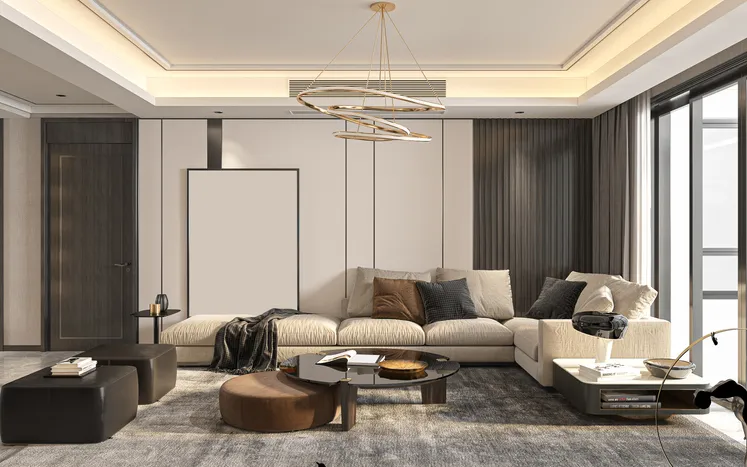
Choosing furniture according to your home size starts with one simple rule: measure your available space before choosing the furniture style. For a small home, choose compact furniture, slim profiles, multifunctional pieces, and layouts that preserve walking space. Medium-sized homes can accommodate larger sofas, complete bedroom furniture, and more flexible dining arrangements. Large homes can support statement furniture and larger seating groups, but the furniture should still remain proportionate to each individual room.
The right furniture is not simply the biggest piece that fits. It is furniture that provides the comfort and functionality you need while leaving enough open space for people to move around the room easily. If you are planning to buy furniture online, start with our How to Measure Your Home Before Ordering Furniture Online guide before selecting individual pieces.
Quick Furniture Size Guide
| Home or Room Type | Furniture Approach | Best Choices |
|---|---|---|
| Small apartment or compact home | Keep furniture visually and physically light | Compact sofas, nesting tables, smaller beds, sliding wardrobes, multifunctional furniture |
| Medium-sized home | Balance seating capacity with open space | 3–5 seat sofa arrangements, standard dining sets, coordinated bedroom sets |
| Large home | Use larger furniture without leaving spaces feeling empty | Sectionals, larger sofa sets, statement tables, full bedroom furniture and larger dining sets |
| Open-plan home | Use furniture to create zones | L-shaped sofas, rugs, consoles, dining tables and accent seating |
These are general starting points. Actual room dimensions, furniture dimensions, door positions and walking routes should always determine your final choice.
Why Does Home Size Matter When Choosing Furniture?
Home size affects how furniture looks, feels and functions.
An oversized sofa in a small living room can block movement and make the room feel crowded. At the opposite extreme, a tiny sofa placed in a very large lounge may look disconnected from the rest of the interior.
Furniture therefore needs to be selected according to scale and proportion, not appearance alone.
Before buying anything, consider:
- Room length and width
- Ceiling height
- Door and window positions
- Available wall space
- Walking areas
- Furniture depth
- Storage requirements
- Number of people using the room
- How often you entertain guests
A well-proportioned room normally feels more comfortable because there is a clear relationship between the furniture and the surrounding open space.
Step 1: Measure Your Home Before Choosing Furniture
Never estimate furniture size from photographs.
Begin by measuring the complete room, followed by the exact area where each item will be positioned.
Record:
- Room length
- Room width
- Ceiling height
- Available wall width
- Door dimensions
- Window positions
- Hallway and staircase widths
- Distance between furniture pieces
- Space required for doors and drawers to open
- Delivery access
Your furniture may fit inside the room but still be impossible to deliver through a narrow doorway, staircase or hallway.
For a complete measuring process, read our home furniture measurement guide.
How to Choose Furniture for a Small Home
Small homes benefit from compact furniture with high functionality and a lighter visual appearance.
The objective should not be to fit as many furniture pieces as possible into the room. Instead, select the pieces you actually use and maintain open areas between them.
Choose Compact Sofas
In a small living room, start with one main sofa rather than automatically purchasing a complete large seating set.
Good options include:
- Compact straight sofas
- Two- or three-seater sofas
- Small L-shaped sofas
- Sofa-and-accent-chair combinations
- Sofas with relatively slim arms
- Designs with visible legs
Explore the Gourmet Furnishers sofa sets collection and compare the dimensions and layout of each design with your available room space.
If your room has an unused corner, an L-shaped design can sometimes provide more seating while making efficient use of that corner. The Soho L Shape Sofa is one option to consider for this type of layout.
For more detailed planning, read Which Sofa Shape Is Best for a Small Living Room? and our complete Sofa Size Guide.
Avoid Oversized Coffee Tables
A large center table can quickly consume the remaining floor space after a sofa is installed.
For compact homes, consider:
- Smaller center tables
- Nesting tables
- Side tables
- Round tables
- Lightweight tables that can be repositioned
Browse our tables collection when planning your living-room layout.
Use Furniture That Performs More Than One Function
Multifunctional furniture is especially useful in apartments and smaller homes.
Examples include:
- Beds with storage
- Benches with storage
- Nesting tables
- Ottomans
- Compact dressing units
- Wardrobes with efficient internal storage
Instead of adding several separate pieces, choose furniture that solves more than one requirement.
How to Choose Furniture for a Medium-Sized Home
Medium-sized homes usually offer the greatest flexibility.
There is enough room for comfortable furniture without requiring the scale of furniture used in very large houses.
Living Room Furniture for a Medium Home
A medium living room may work well with:
- One large three-seater sofa with accent chairs
- A 3+2 sofa arrangement
- A compact L-shaped sofa
- A five-seat seating combination
- Sofa, center table and one or two side tables
The important point is to maintain circulation between the entrance, sofa, table and other furniture.
Do not increase seating capacity simply because an empty wall remains available.
Our Sofa Size Guide explains how different sofa configurations affect the amount of floor space you need.
You can also compare different styles in our sofa collection.
Bedroom Furniture for a Medium Home
A medium bedroom normally allows more flexibility than a compact bedroom, but the bed should still be chosen first because it is usually the largest item in the room.
After positioning the bed, calculate the remaining space for:
- Bedside tables
- Wardrobe
- Dressing table
- Chest of drawers
- Bench or ottoman
Browse the Gourmet Furnishers bed sets collection when planning a coordinated bedroom.
For a contemporary option, you can also explore the Aura Bed Set.
If you are trying to create a consistent bedroom interior, read our guide on How to Match Bedroom Furniture.
How to Choose Furniture for a Large Home
A large home gives you more furniture options, but bigger furniture is not automatically better.
The goal is to create properly defined areas rather than placing oversized furniture everywhere.
Large living rooms can accommodate:
- Larger sofa sets
- Sectional sofas
- Multiple accent chairs
- Larger center tables
- Console tables
- Side tables
- Ottomans
- Separate conversation areas
Instead of placing every piece against a wall, larger rooms can often be divided into functional zones.
For example, a large family lounge might contain a main TV seating area as well as a smaller pair of chairs around a side table.
This approach makes a large space feel intentional rather than empty.
If you have a spacious lounge, browse our sofa sets and tables collection to build a balanced seating arrangement.
What Sofa Size Should You Choose for Your Living Room?
The correct sofa size depends on room dimensions, sofa depth, seating requirements and layout, rather than seat count alone.
Two sofas labelled as three-seaters can occupy very different amounts of floor space because of differences in:
- Arm thickness
- Cushion width
- Back design
- Frame shape
- Overall depth
That is why external dimensions should always be checked before ordering.
Small Living Room
Consider:
- 2-seater sofa
- Compact 3-seater
- Sofa plus one chair
- Compact L-shaped sofa
Medium Living Room
Consider:
- Large 3-seater plus chairs
- 3+2 arrangement
- 3+1+1 arrangement
- Medium sectional
Large Living Room
Consider:
- Larger sectional
- Multiple sofas
- 5- or 7-seat arrangements
- Sofa set plus additional accent seating
Compare your options in the Gourmet Furnishers sofa sets collection.
For more help before buying, see our sofa size guide.
How Much Space Should You Leave Around Furniture?
Leaving open space around furniture is just as important as fitting the furniture into the room.
A room can technically accommodate a sofa, table, bed and wardrobe while still being uncomfortable to use.
Check whether you can comfortably:
- Walk around the furniture
- Open doors fully
- Open wardrobe doors
- Pull out drawers
- Pull dining chairs away from the table
- Access windows
- Reach electrical sockets
- Clean around large furniture pieces
Try creating a simple floor plan before purchasing.
You can even mark the expected furniture footprint on the floor using removable tape. This gives you a much more realistic understanding of scale than looking at dimensions on a screen.
Our guide to measuring your home before ordering furniture explains this process in more detail.
How to Choose a Bed According to Bedroom Size
Choose the bed according to the usable dimensions of the bedroom, not simply whether a mattress can physically fit.
You also need room for circulation and other bedroom furniture.
Small Bedroom
Consider:
- Smaller bed frame
- Minimal headboard
- Compact bedside tables
- Sliding wardrobe
- Limited additional furniture
- Built-in or vertical storage
Avoid filling a small bedroom with a bed, two large side tables, a dresser, bench, cabinet and oversized wardrobe simply because they are available as a matching collection.
Medium Bedroom
A medium bedroom can usually accommodate:
- Bed
- Bedside tables
- Wardrobe
- Dressing table
Additional furniture should depend on the remaining usable floor space.
Large Bedroom
A large master bedroom may accommodate:
- Larger bed
- Two bedside tables
- Wardrobe
- Dressing table
- Bench
- Lounge chair
- Chest of drawers
However, keep comfortable walking routes around each item.
If you are considering a king bed, read How Much Space Should You Leave Around a King-Size Bed? before choosing your layout. When you are ready to compare designs, browse our bed sets collection.
How to Choose a Dining Table According to Room Size
Dining furniture needs more floor space than the table itself.
You also need enough room for people to pull chairs away from the table and move behind seated guests.
Small Dining Area
Consider:
- Four-seat dining table
- Compact rectangular table
- Round table
- Furniture with a visually lighter design
Avoid oversized chairs and extremely wide tables when space is limited.
Medium Dining Area
Depending on the actual dimensions, a medium room can accommodate a larger family dining arrangement while still providing circulation around the table.
Start with the table dimensions and then calculate the additional area required for chairs.
Large Dining Room
Larger dining rooms give you more freedom to use:
- Longer dining tables
- Additional dining chairs
- Sideboards
- Display cabinets
- Console tables
Explore the Gourmet Furnishers dining room sets to compare different styles.
For a more refined contemporary dining setting, you can also explore the Crystal Dining Set.
Should Furniture Be Small in a Small House?
Not every piece of furniture in a small house needs to be tiny.
A common mistake is buying many small pieces because they appear space-saving individually.
Several small chairs, tables, storage units and decorative items can sometimes create more visual clutter than one properly proportioned main piece.
For example, a well-selected three-seater sofa may work better than multiple small chairs scattered across a compact living room.
Focus on:
fewer pieces + correct dimensions + useful functionality.
This usually creates a cleaner and more comfortable room.
If your main challenge is arranging seating, our guide on the best sofa shape for a small living room can help you choose a more efficient layout.
Should You Buy a Complete Furniture Set?
A complete set can be useful when the room is large enough and you want a coordinated appearance.
However, do not assume every piece in a set must be placed in the same room.
Before buying a complete furniture package, calculate:
- Combined furniture footprint
- Available wall space
- Storage requirements
- Walking areas
- Actual pieces you need
This is especially important with bedroom and living-room sets.
A beautifully coordinated furniture set will not look luxurious if every piece has been squeezed into an undersized room.
For bedroom planning, read our complete bedroom set guide and explore the latest bed sets.
What Furniture Makes a Small Home Look Bigger?
Furniture cannot physically increase room size, but certain design choices can create a more open appearance.
Consider:
- Furniture with raised legs
- Slimmer profiles
- Light or neutral upholstery
- Simple silhouettes
- Glass or visually lightweight tables
- Mirrors
- Fewer large decorative pieces
- Vertical storage
- Furniture that leaves some floor visible
Maintaining open space is often more effective than trying to fill every corner.
You may also find inspiration in our guide to Best Wooden Furniture Ideas for Modern Homes.
Furniture Size vs Furniture Style: Which Matters More?
Size should come first.
You may love a particular traditional, contemporary or luxury design, but it still needs to fit the room comfortably.
A good furniture-buying order is:
Room measurements → furniture dimensions → functionality → style → material → colour and finish.
This reduces the risk of choosing an attractive product that becomes impractical after delivery.
Once you know your measurements, explore Gourmet Furnishers to compare furniture for living rooms, bedrooms and dining areas.
Common Furniture Size Mistakes to Avoid
Buying Before Measuring
Never assume furniture will fit because your room looks large enough.
Measuring Only the Empty Wall
Furniture also extends into the room. Depth matters just as much as width.
Ignoring Doors and Drawers
Furniture may block a door even when it fits perfectly against the wall.
Choosing Furniture From Photos
Product photography does not provide reliable scale.
Filling Every Empty Space
Open floor area is part of good interior design.
Forgetting the Delivery Route
Measure doors, stairs, lifts, hallways and tight corners before ordering oversized furniture.
Buying a Complete Set Without Checking Every Piece
Always consider the combined footprint of the entire set. Before ordering online, follow our home measurement checklist to reduce the risk of choosing the wrong size.
Frequently Asked Questions
How do I choose furniture according to my home size?
Measure every room first, identify the furniture you actually need, compare those measurements with the external dimensions of each product, and leave enough open space for comfortable movement. Small homes usually benefit from compact and multifunctional furniture, while larger homes can accommodate bigger furniture arrangements.
What furniture is best for a small house?
Compact sofas, smaller tables, nesting tables, storage beds, sliding wardrobes, ottomans and multifunctional furniture are good choices. Avoid oversized pieces that dominate the room or block walking paths.
How do I know if a sofa is too big for my living room?
A sofa is probably too large if it restricts important walking routes, interferes with doors or other furniture, leaves insufficient room for a center table, or visually dominates most of the room.
Compare the sofa’s complete width and depth with your floor plan before ordering, and use our Sofa Size Guide for additional guidance.
Is an L-shaped sofa good for a small home?
A compact L-shaped sofa can be a good option when the room has an appropriate corner because it can provide useful seating while using the corner efficiently. Large sectionals, however, can overwhelm small rooms.
How much furniture should be in a room?
There is no universal number of furniture pieces. The correct amount depends on room dimensions and how the room is used. Prioritize essential furniture first and add secondary pieces only when they do not interfere with circulation.
Should furniture match the size of the room?
Yes. Furniture should be visually and physically proportionate to the room. Oversized furniture can make small spaces uncomfortable, while furniture that is too small can look disconnected in a large room.
What should I measure before buying furniture online?
Measure room length, width and height; the proposed furniture location; doors; hallways; stairs; lifts; windows; and the complete delivery route. You should also check the manufacturer’s overall furniture width, depth and height. For step-by-step instructions, read How to Measure Your Home Before Ordering Furniture Online.
What is the most important rule when choosing furniture?
Measure first and buy second. The furniture should fit your lifestyle and your room—not force the room to adapt to the furniture.
Final Thoughts
Choosing furniture according to your home size is about creating the right balance between comfort, functionality, proportion and open space. For a small home, prioritize compact and multifunctional pieces. For a medium-sized home, combine practical furniture with flexible seating and storage. For a large home, use larger furniture and defined zones without overcrowding individual rooms.
Most importantly, make your buying decision using actual measurements rather than photographs or assumptions. Start by reading our furniture measurement guide, then explore Gourmet Furnishers to discover sofa sets, bed sets, dining room sets and tables for different home sizes and interior styles. Measure your room, understand the space you have available and then select furniture that makes your home more comfortable to live in.